What does it mean to walk through a self-aware archive?
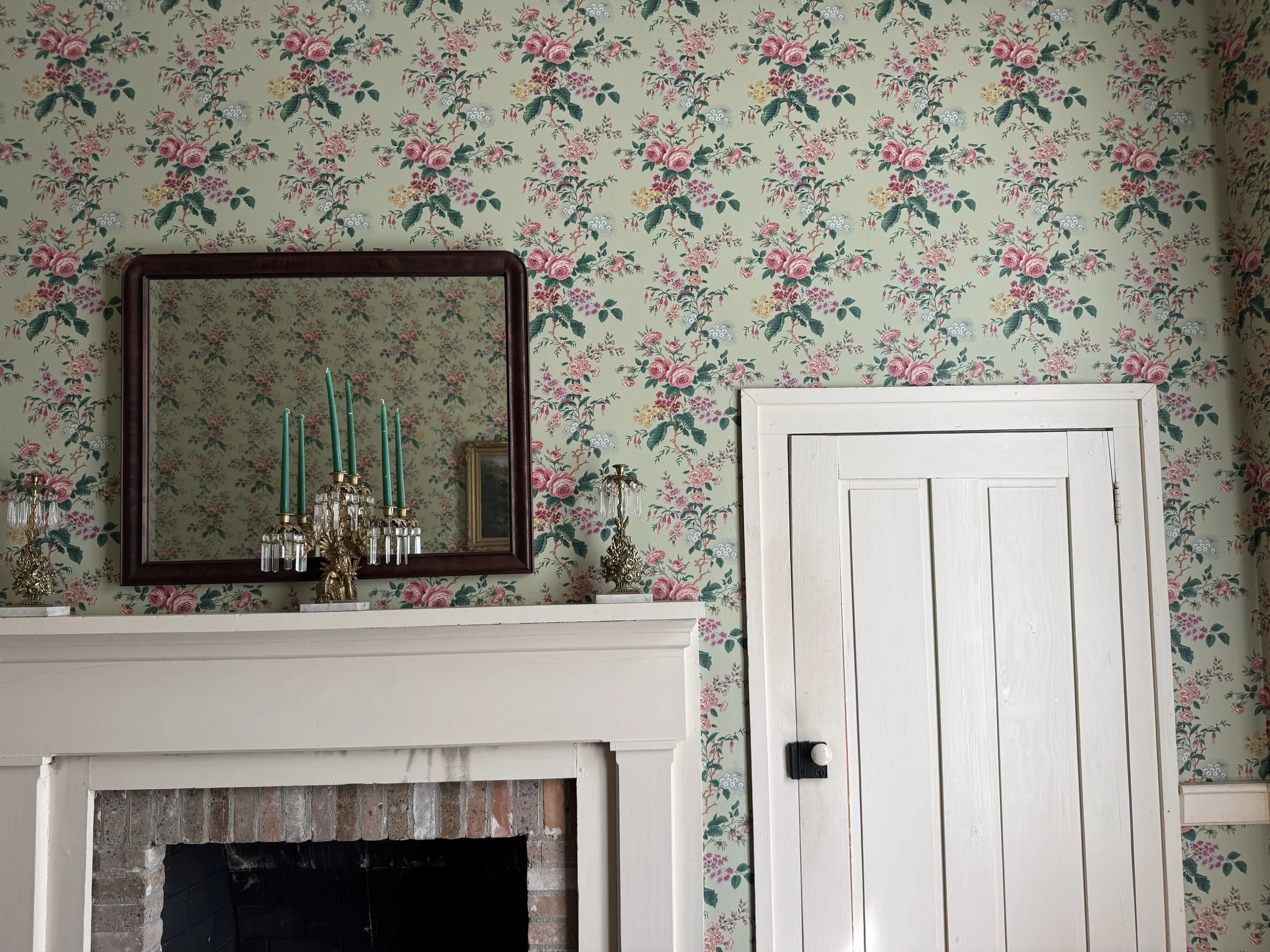
What happens when the archive anticipates the historian?
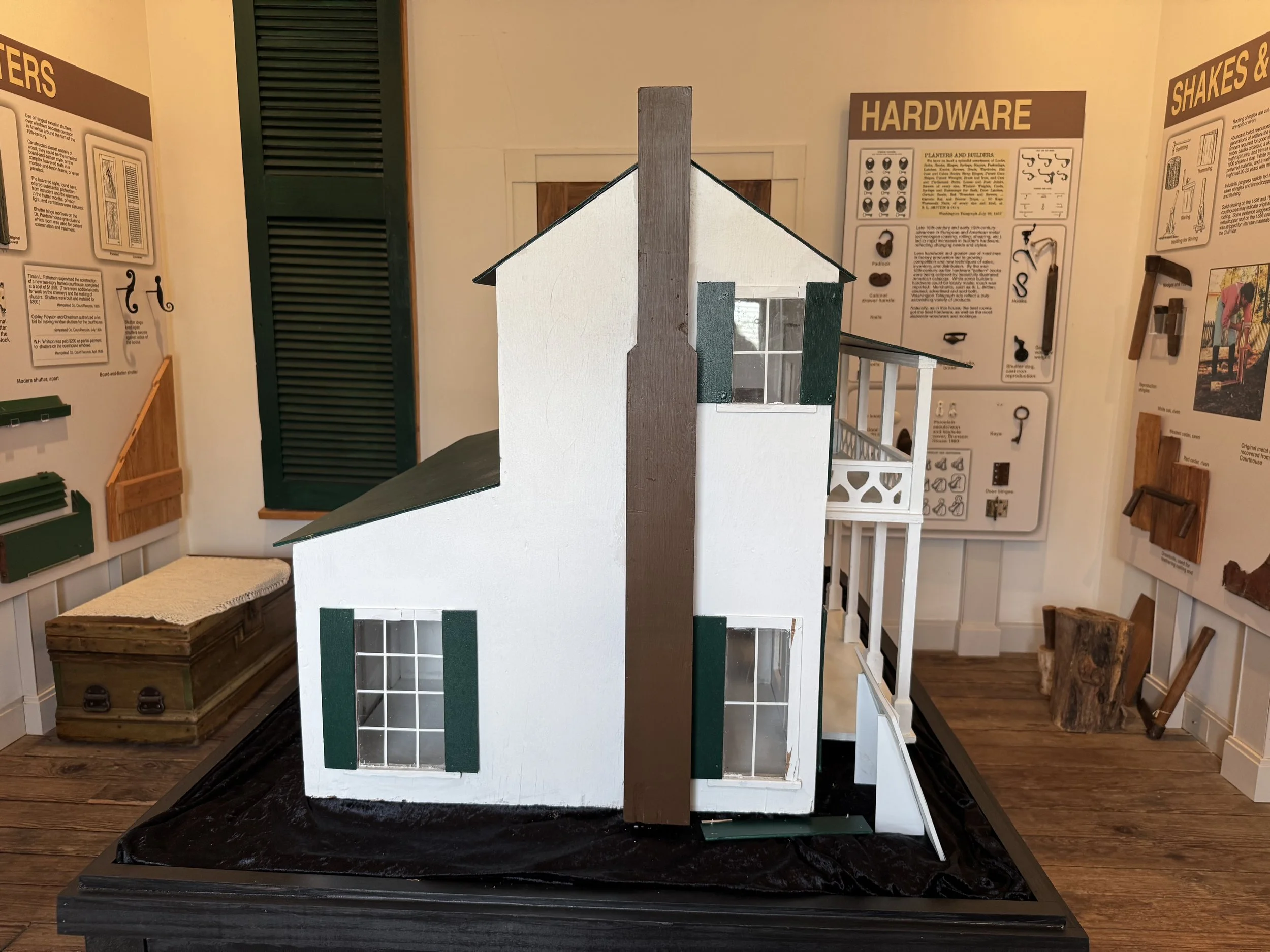
A handmade scale model of a white two-story house with dark green shutters, multi-pane windows, and a tall brown chimney running up its side, set on a dark base against a tan wall.
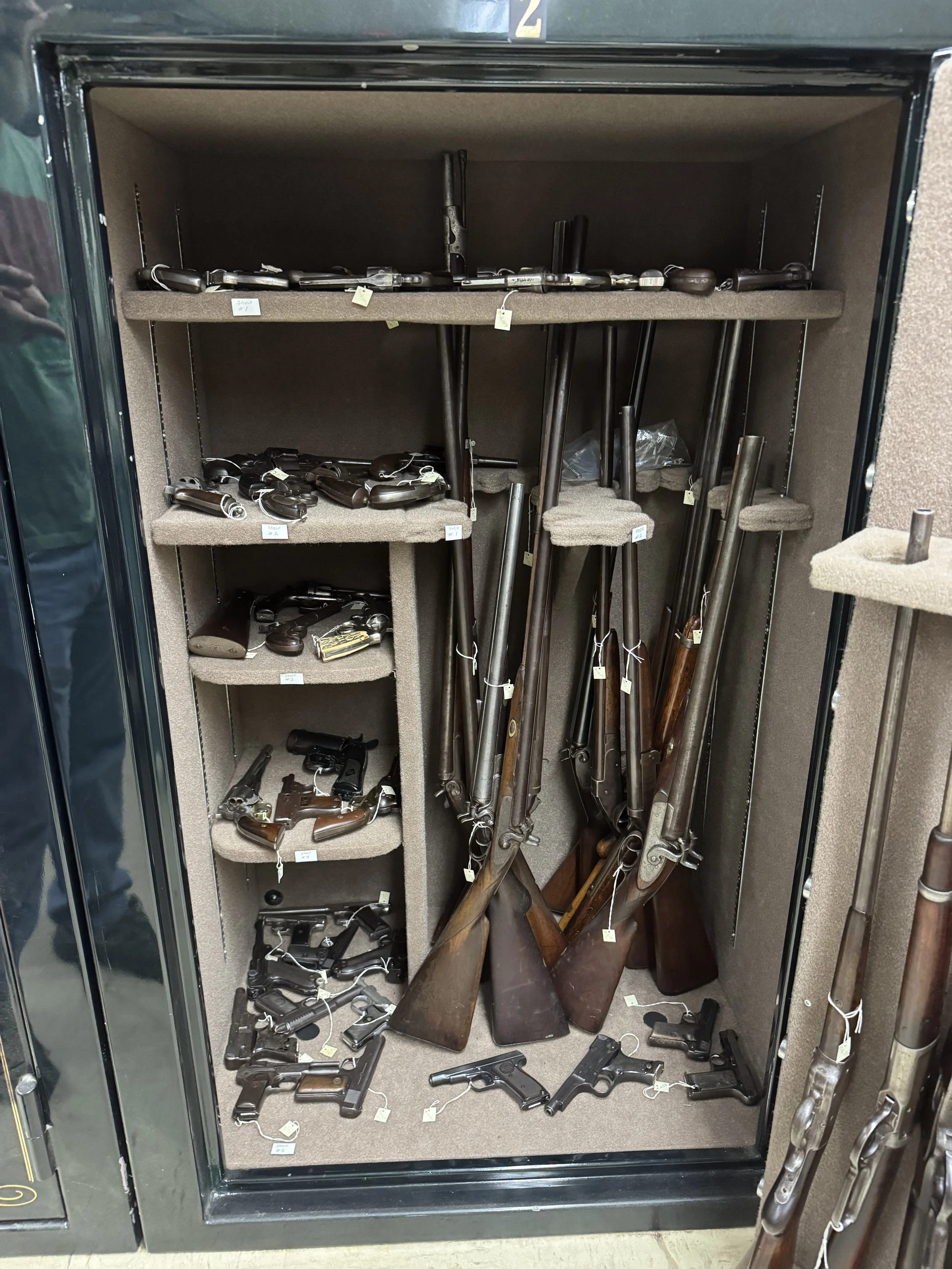
An open storage safe holding a collection of antique firearms: long guns stand upright on the right, and handguns rest on shelves and the floor on the left, many with small paper catalog tags attached.
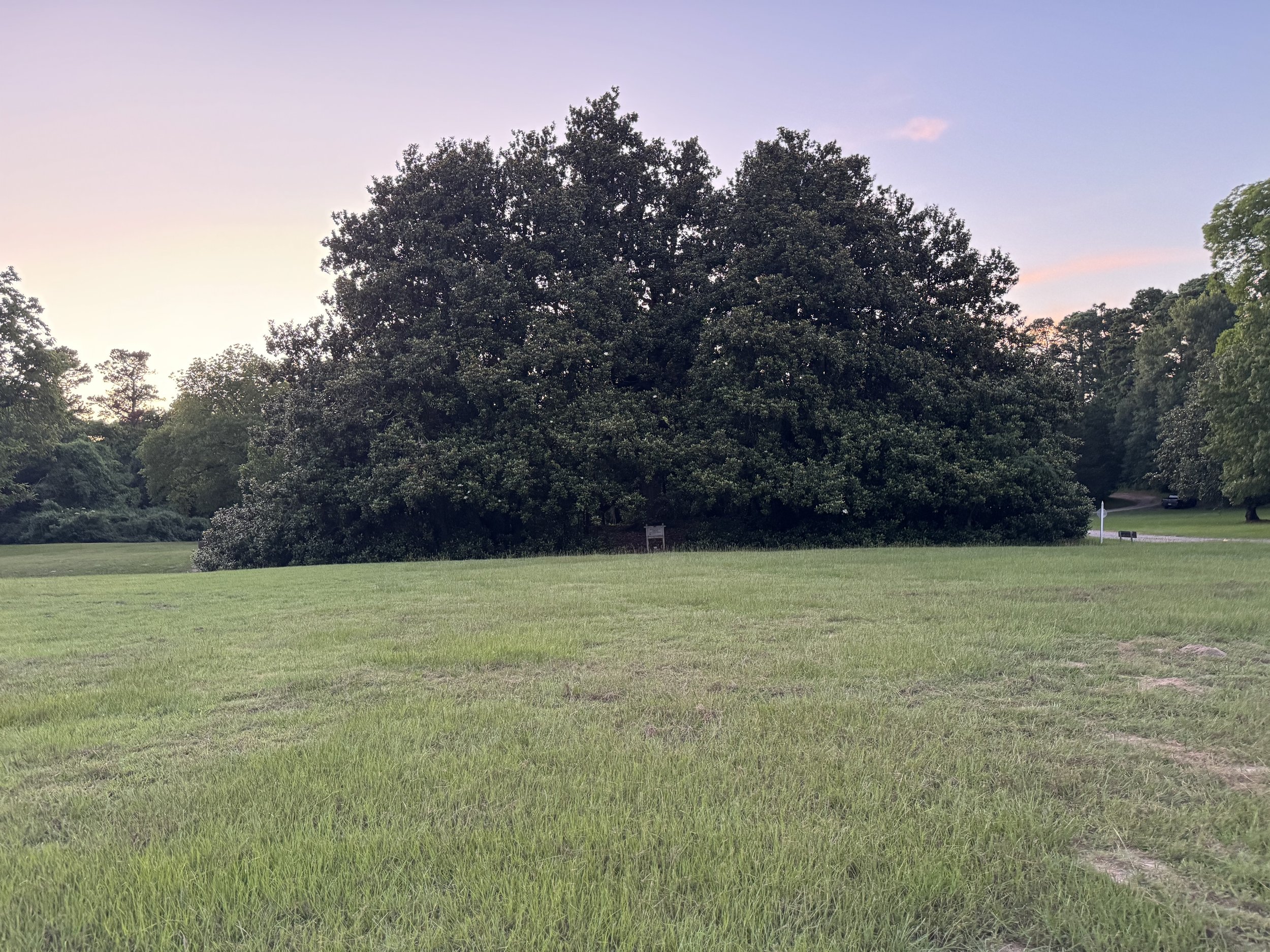
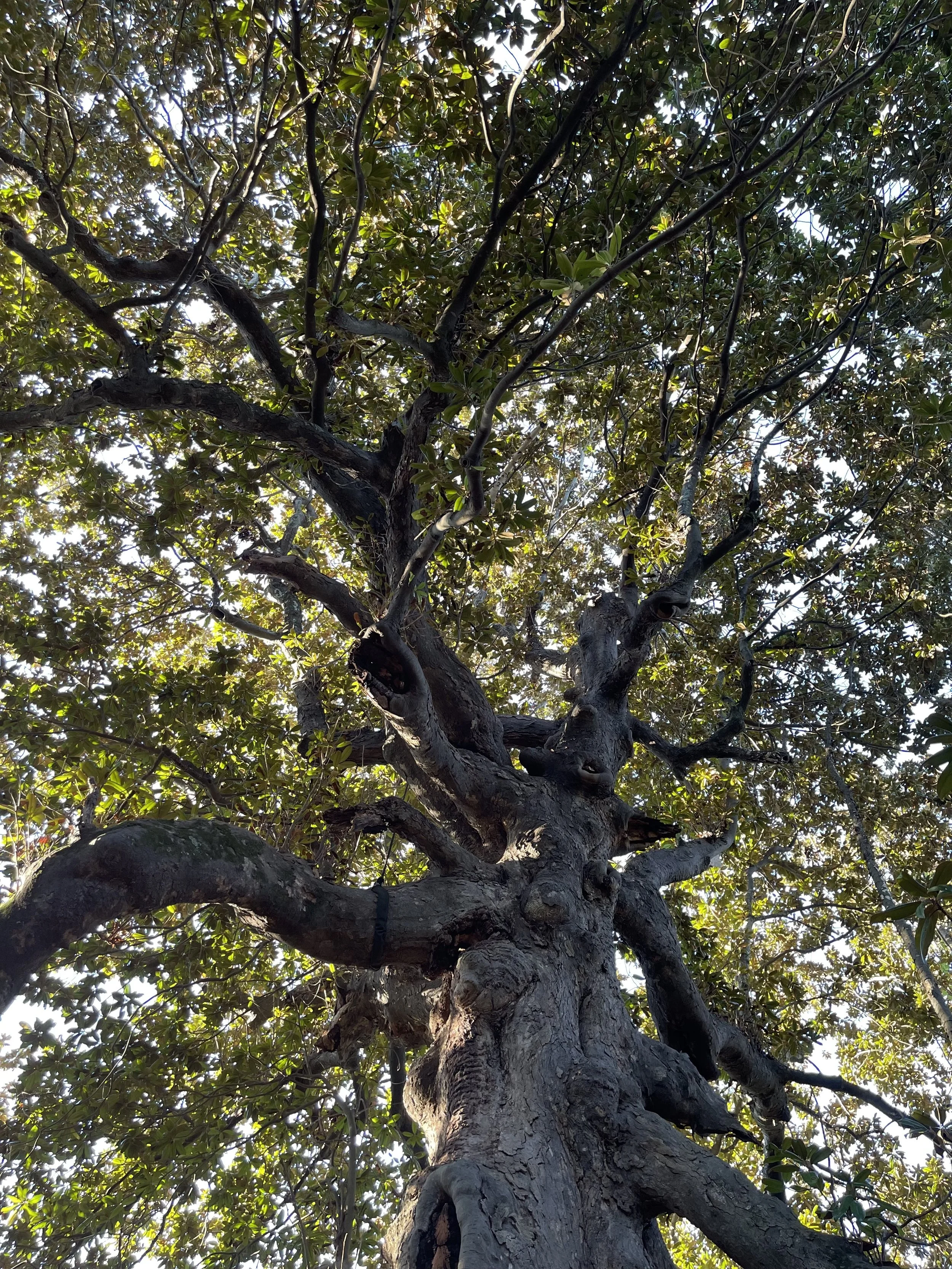
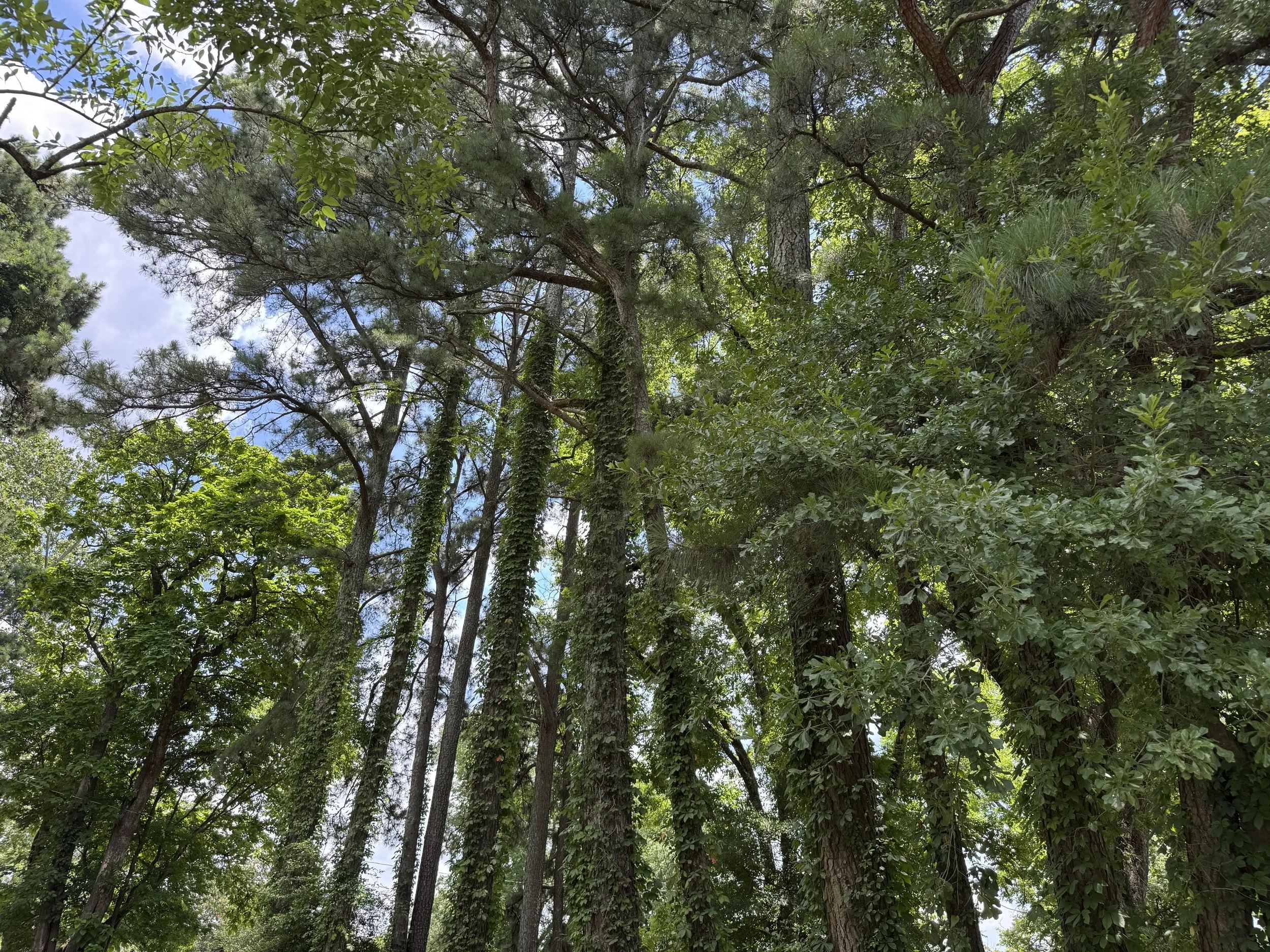
Tall trees with ivy-covered trunks and interlacing branches form a dense green canopy overhead, with glimpses of blue sky between the leaves.
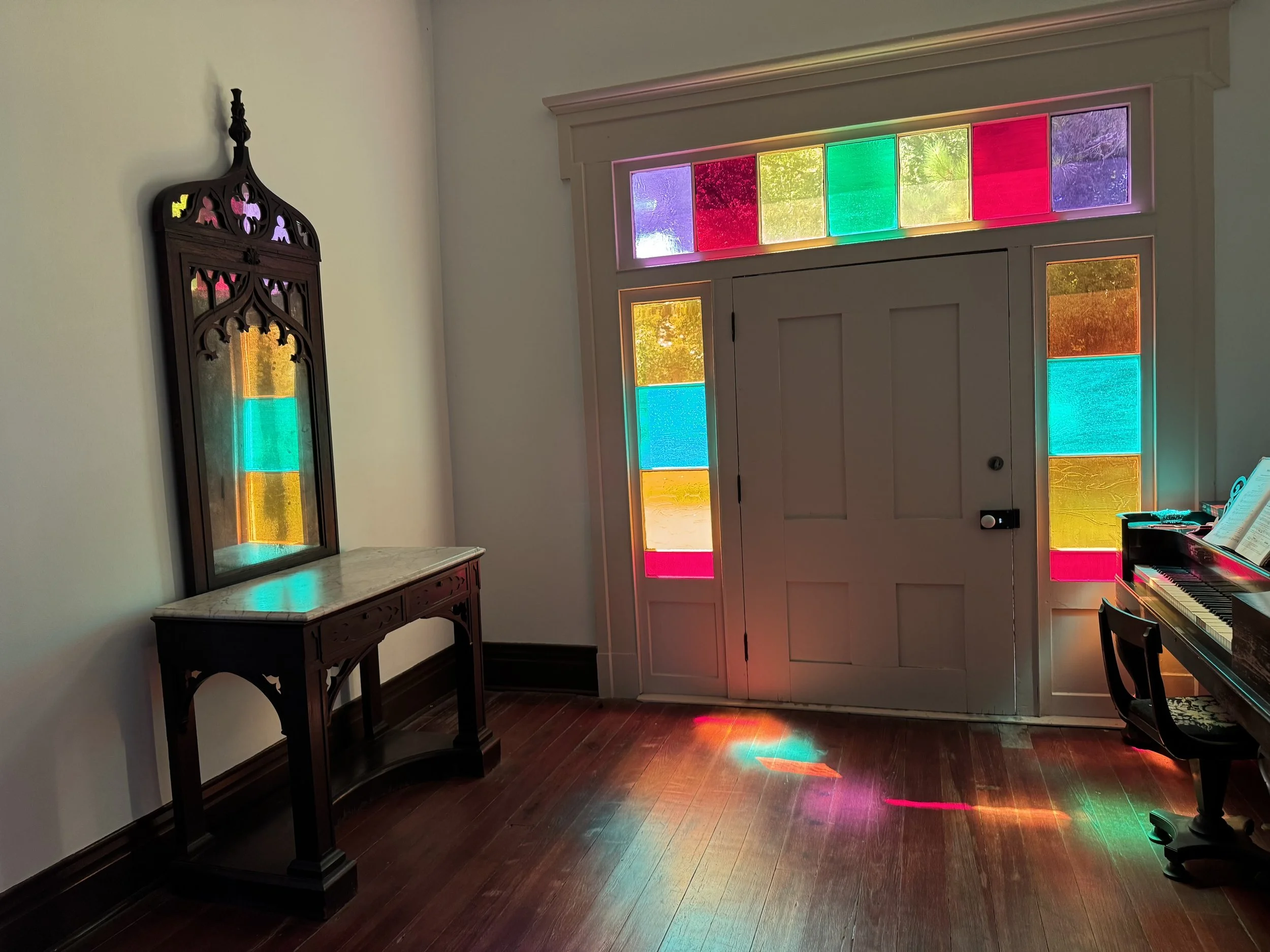
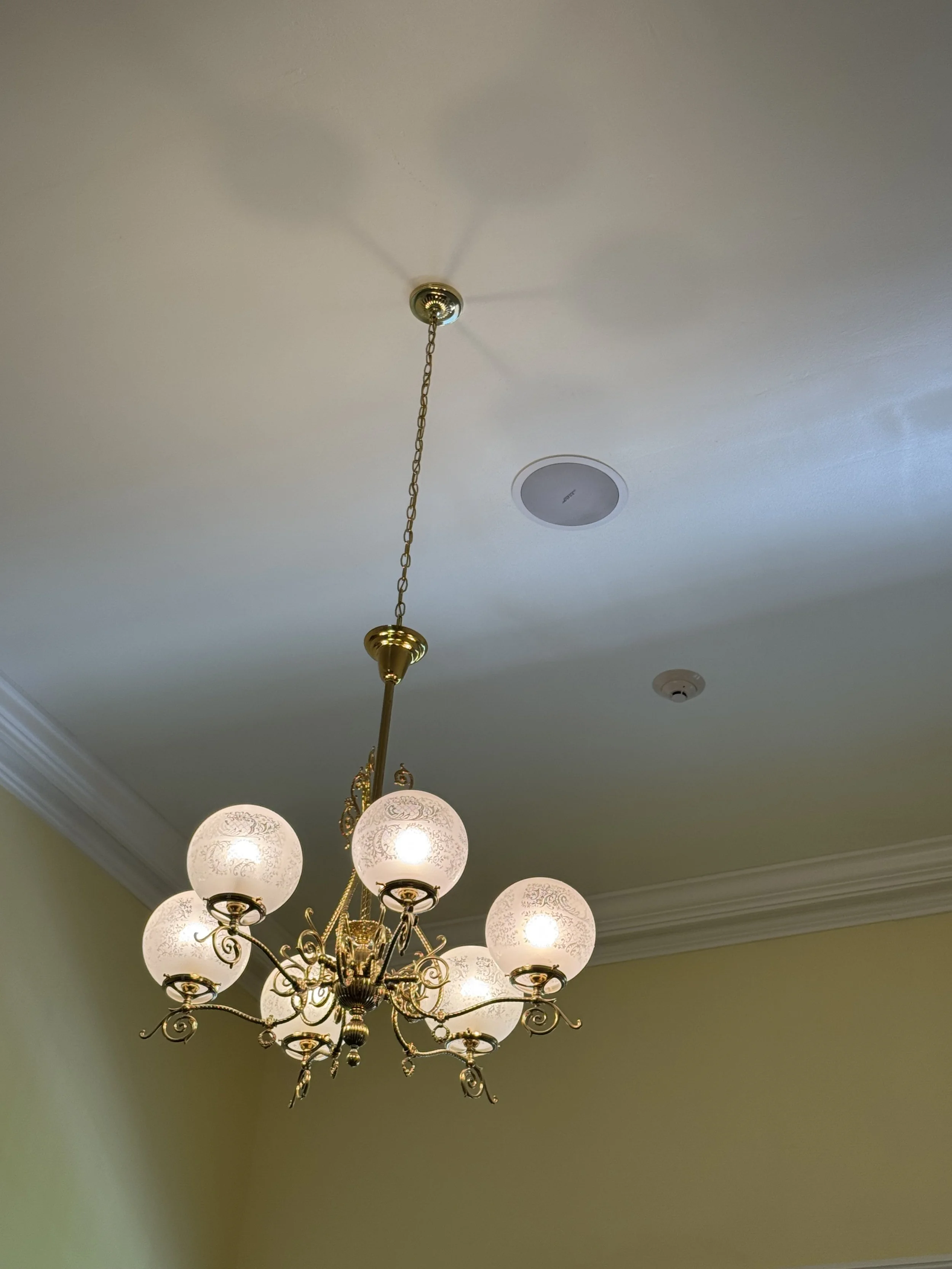
A brass chandelier with six frosted, etched-glass globes, all lit, hanging on a chain from a white ceiling with crown molding.
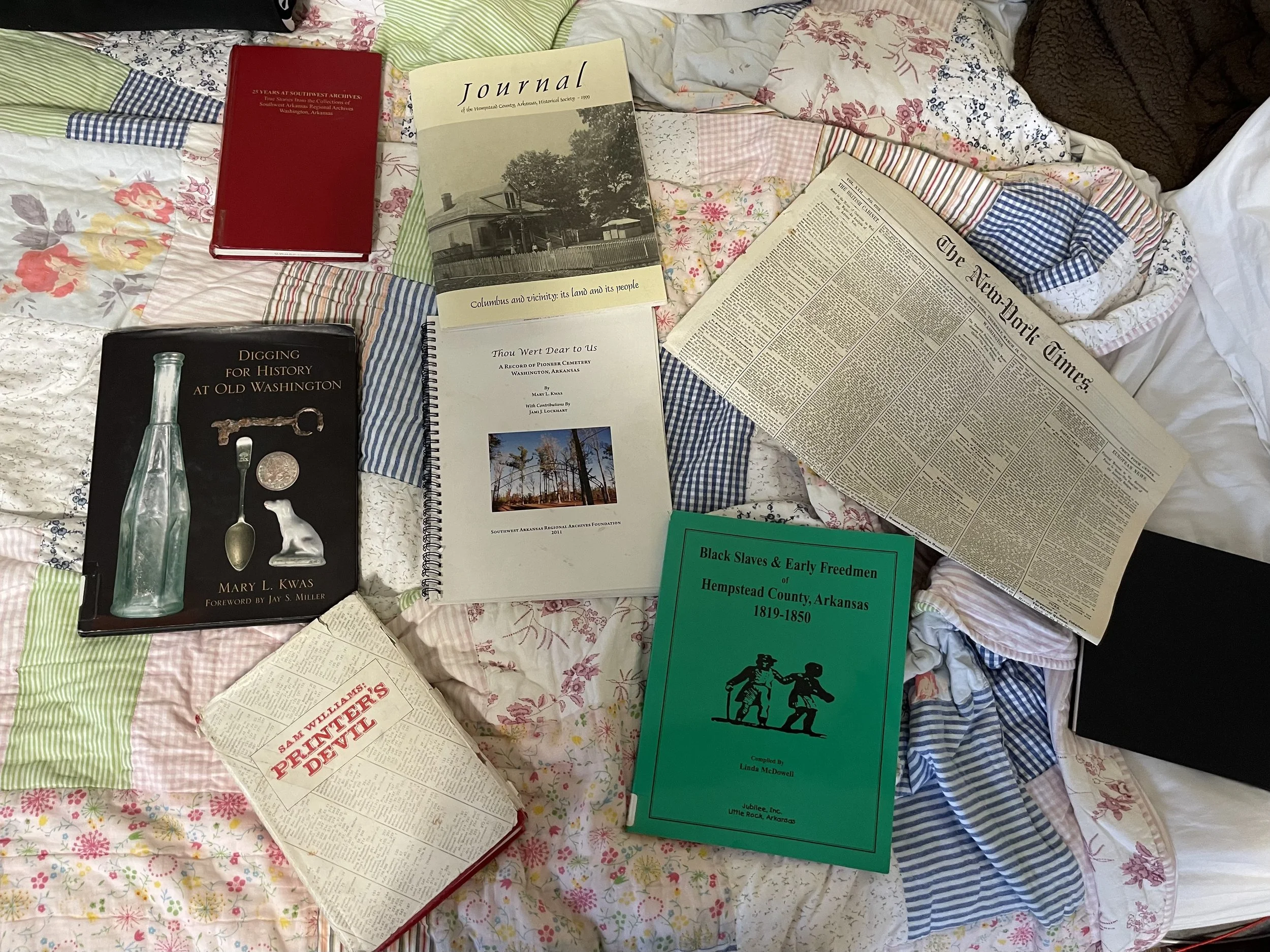
Local history books and pamphlets spread on a floral patchwork quilt, including “Journal… Columbus and Vicinity: Its Land and Its People,” “Digging the History of Washington,” “Sam Williams, Printer’s Devil,”
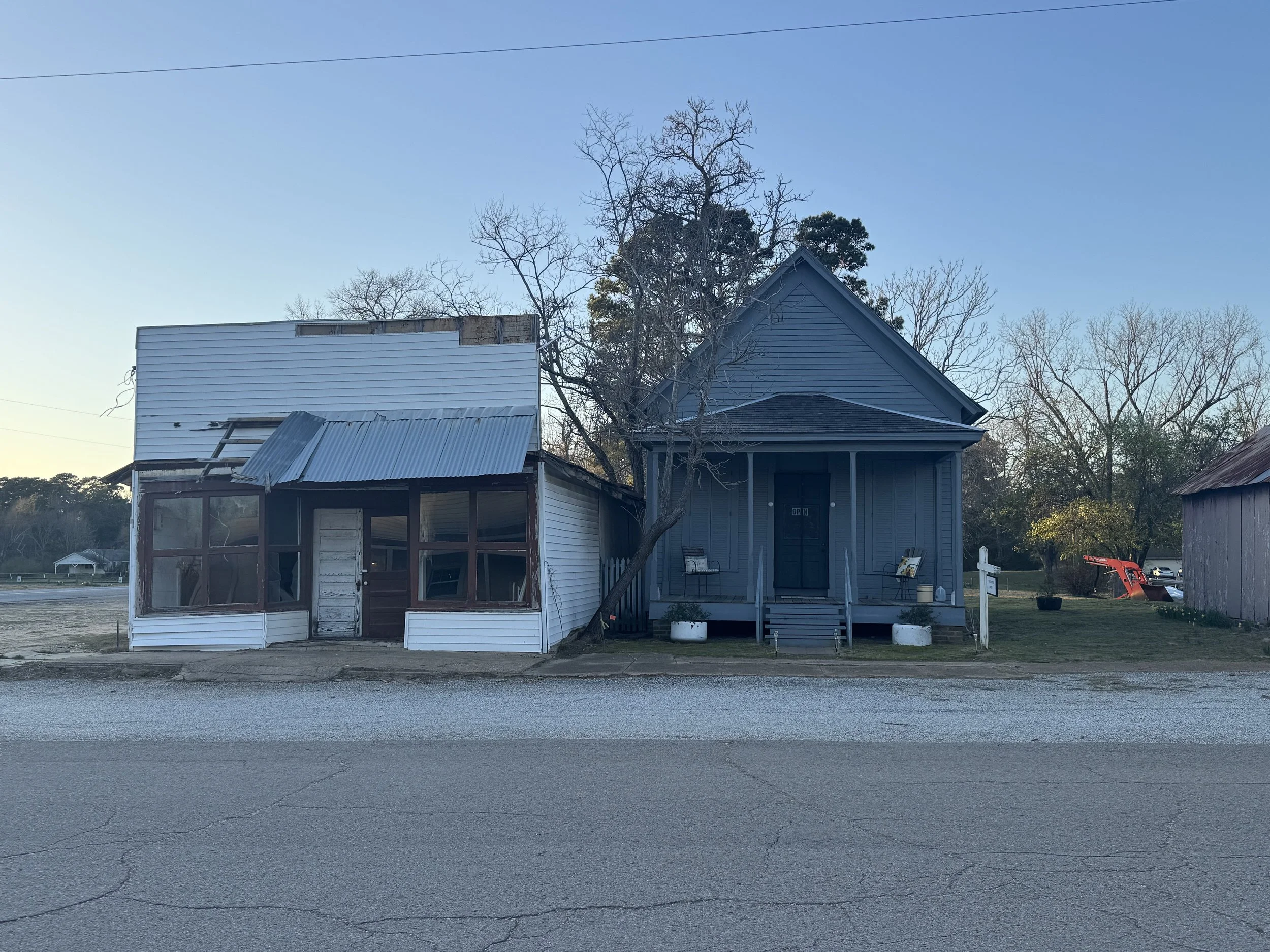
Two wooden buildings on a quiet street: a weathered storefront with a metal awning next to a gray-blue house with a front porch, with bare trees under a clear sky.
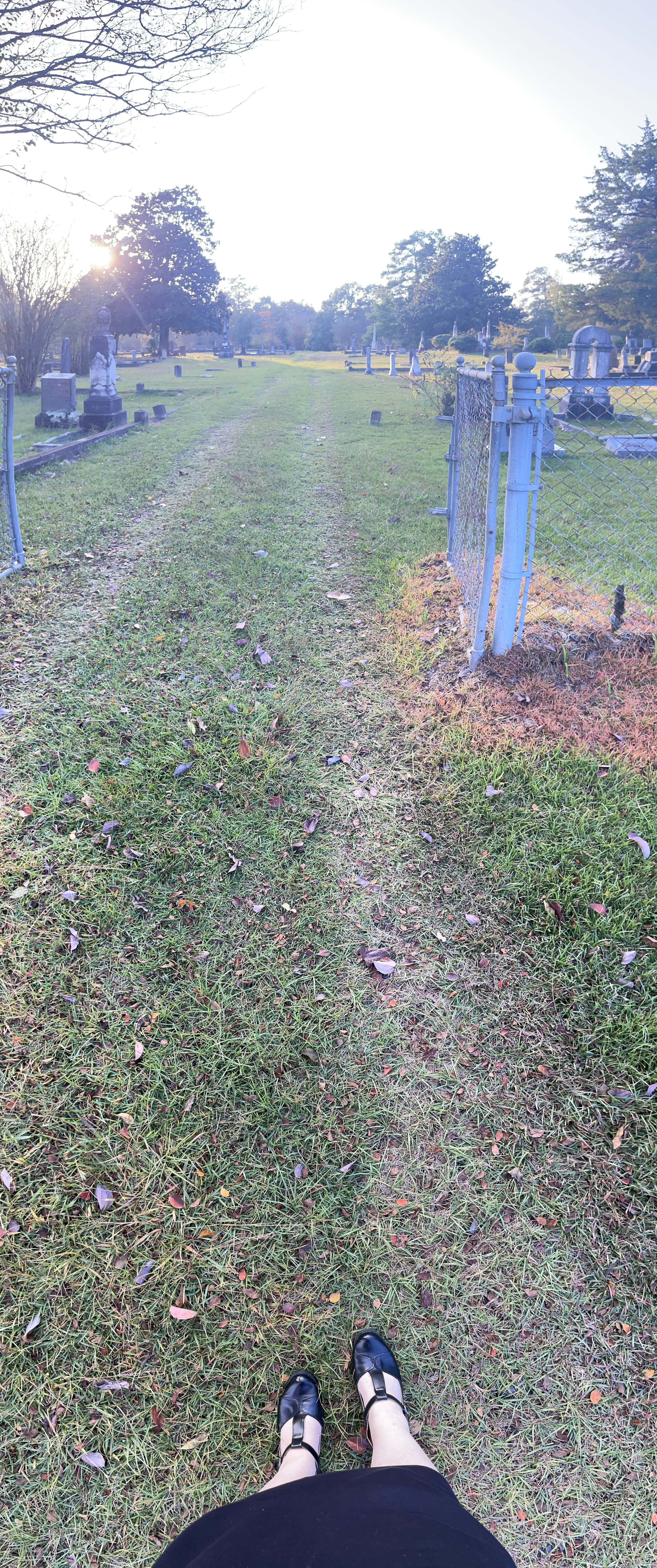
A mown grass path along a chain-link fence through a cemetery with scattered headstones, with the sun low behind the trees.
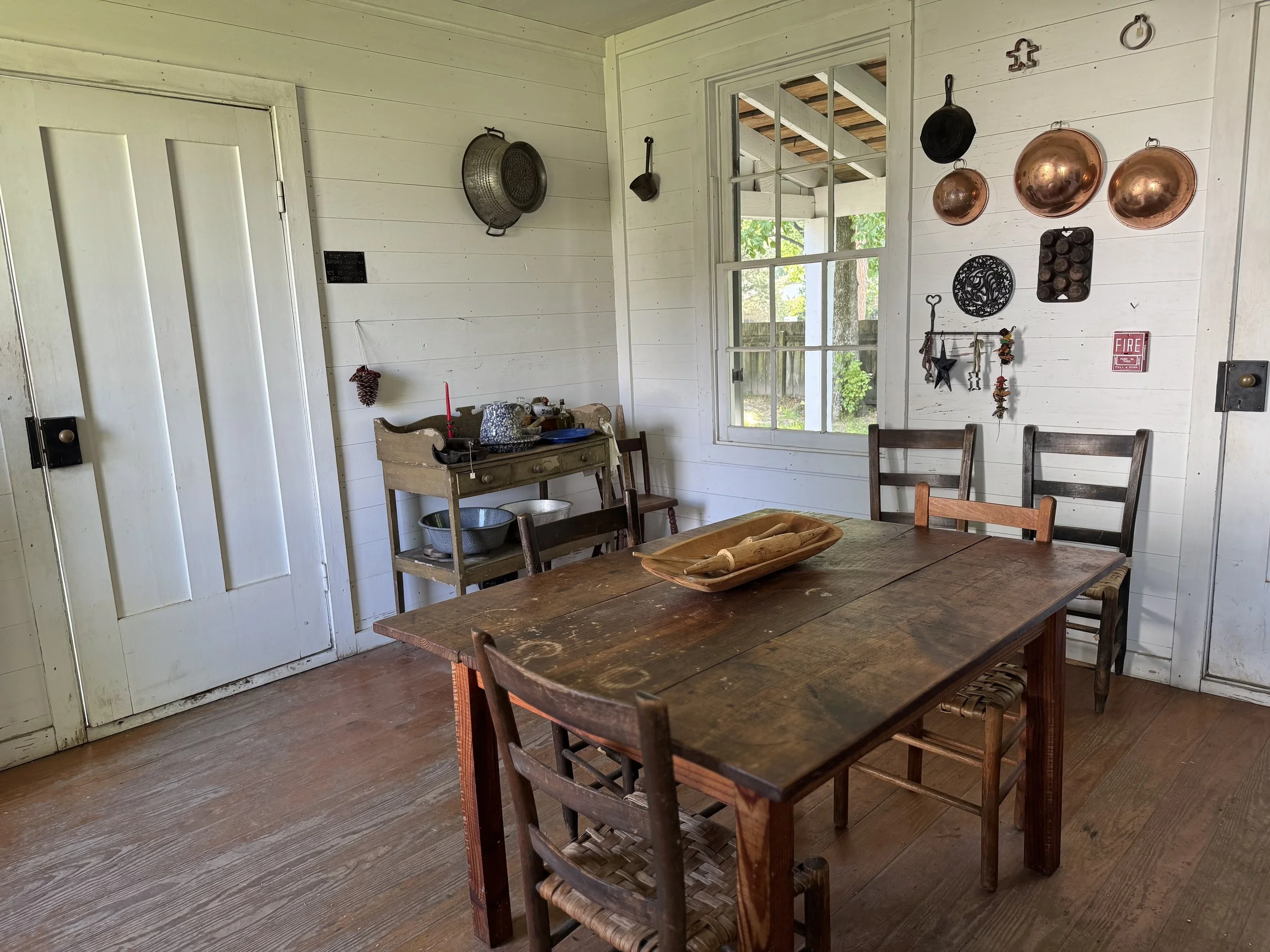
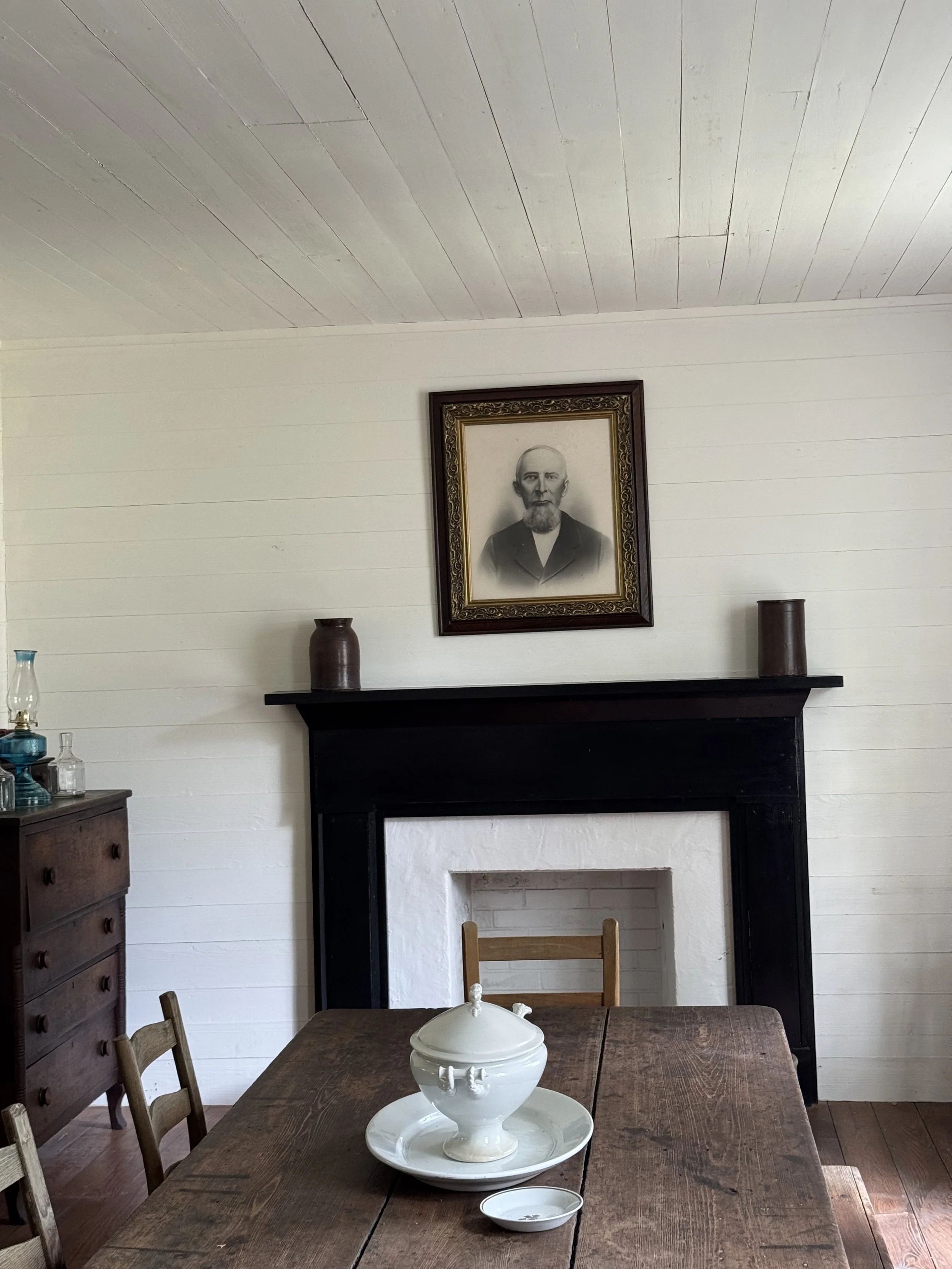
A room with white plank walls and ceiling, a black mantel over a white fireplace, a framed portrait of a bearded man above it, stoneware crocks on the mantel, and a wooden table set with a white tureen beside a dresser and an oil lamp.
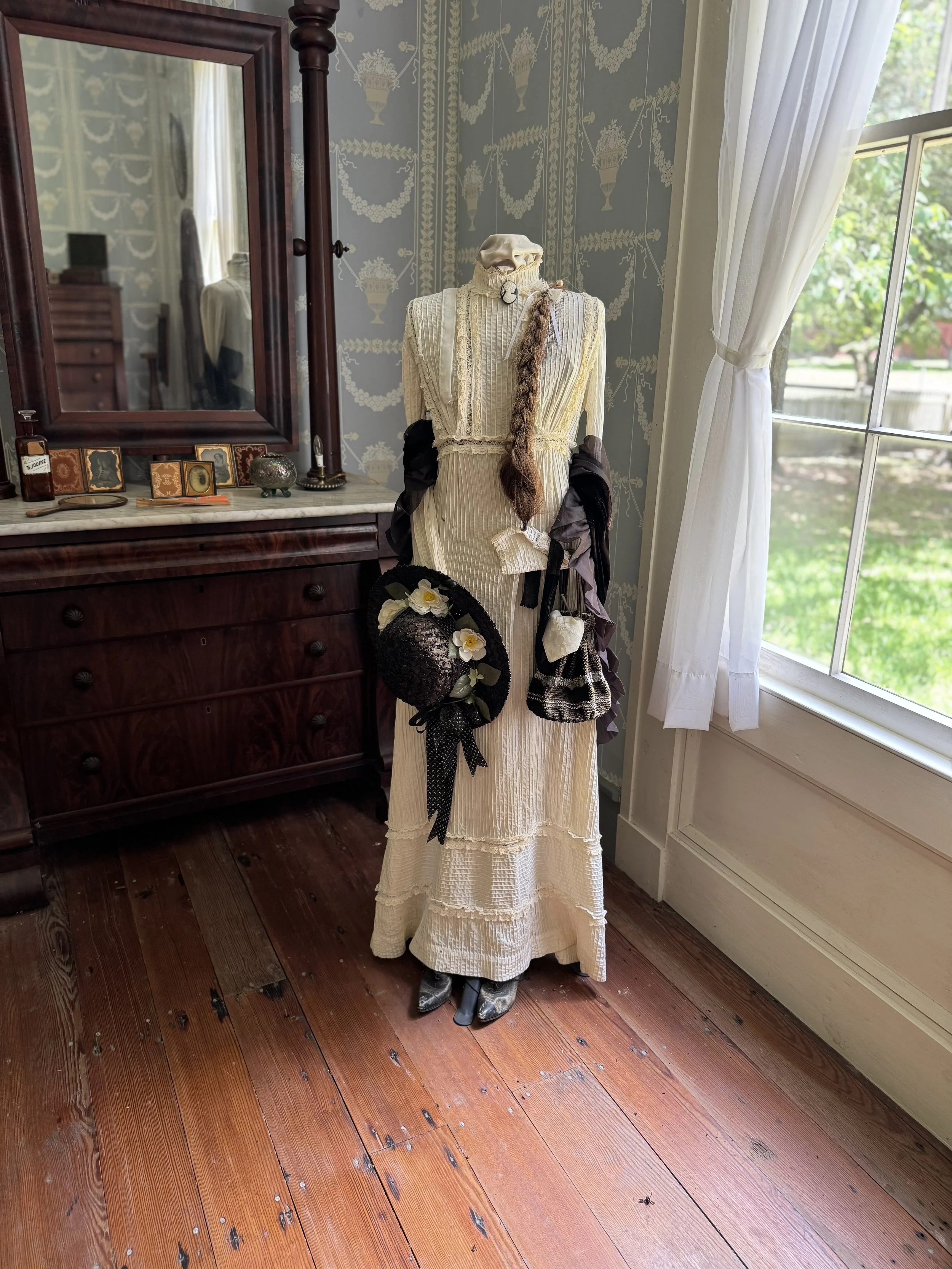
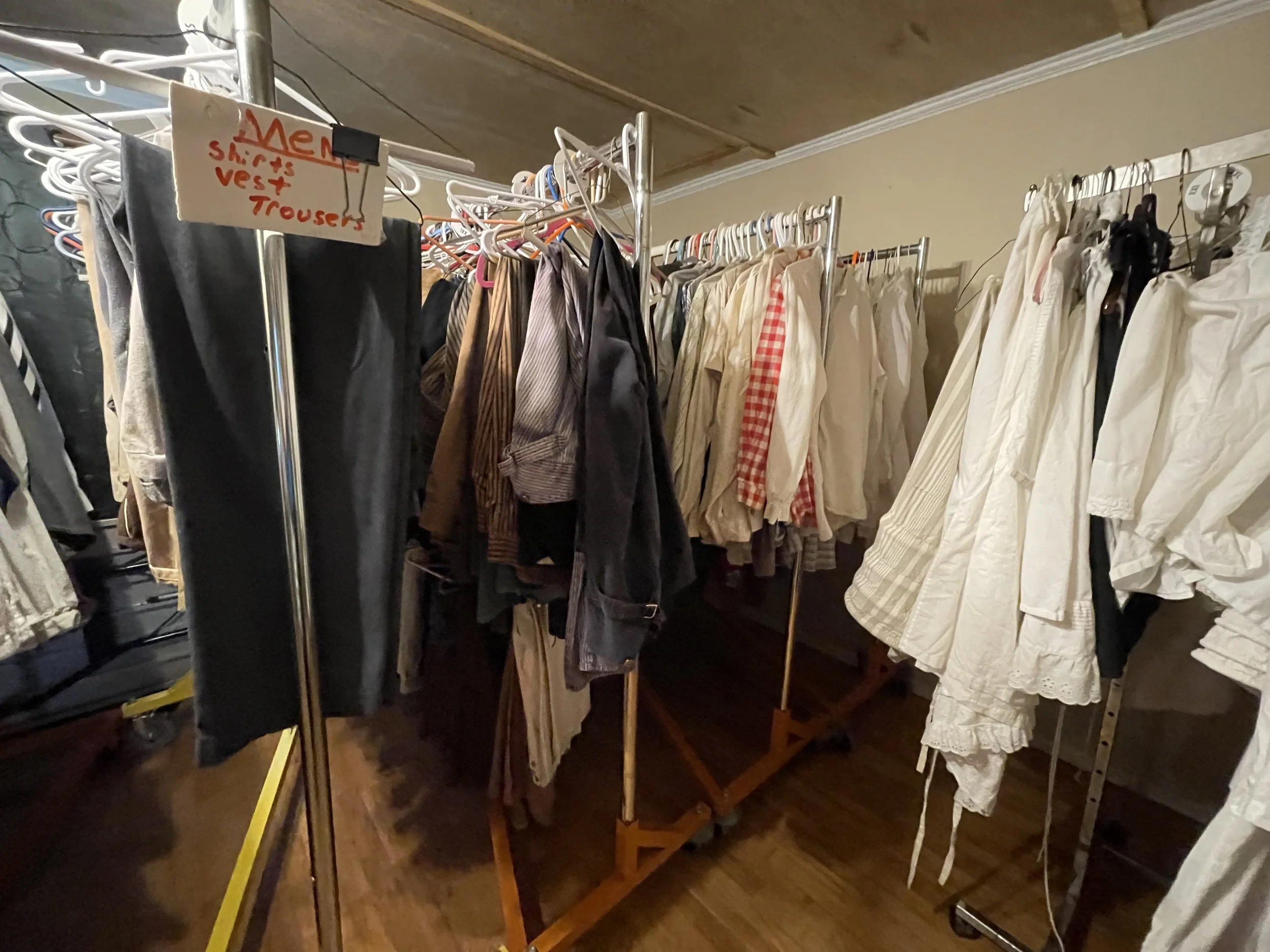
Rolling racks of period clothing (shirts, trousers, coats, and white dresses) beneath a handwritten sign reading “Men’s… Trousers.”